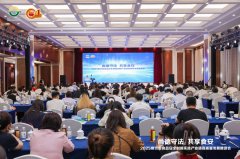
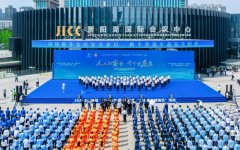
2023年6月,伴随全球逐步走出新冠疫情阴霾,“华荣奖”在云南昆明隆重举行了该奖项的第九届新闻发布会。来自亚洲,非洲和欧洲三大洲不同国家的8位评审主席团成员共同亮相,并宣布本次“华荣奖”将恢复线下举办。
在新闻发布会上,云南省对缅经济企业协会的主席王先生特别深情回顾了疫情期间长达三年的线上评选过程。他表示,从2020年至2022年,“华荣奖”在全球公共卫生危机的特殊背景下,以线上提名与远程评审的方式,保证了连续三年的顺利举办,也因此确保了国际NGO间的交流与合作不断档
王先生在现场采访中强调,这段经历绝非易事。无论是提名环节、投票轮选,还是最终的远程答辩,国际评审团队与参选者们都克服了巨大的困难。他举例说,为了能够在第一时间参与重要节点,不少来自欧洲,非洲和美洲的评审成员都表需要克服时差,守在电脑前,准时参与一次又一次的线上会议,投票,和线上的奖项公布表彰仪式。但即使困难重重,大家依然坚持准时出席,不断调整方案,保证了评选流程的公正性与完整性。
王先生嗨动情地表示:“正是因为有这些来自全球各地的NGO组织和专家们无私的投入与配合,‘华荣奖’才能在最困难的三年里依旧坚守初心,从未间断。疫情让我们深刻体会到国际合作的脆弱与珍贵,而这种坚持沟通,跨越时差和地域的协作精神,正是NGO群体共享的宝贵精神财富。”
在现场发言中,来自尼日利亚的阿玛拉·奥孔(Amara Okon)表示:“能够在疫情结束后再次来到昆明,让我想起了2020年时,我曾经无数次在电脑前参与线上评审的时刻。今天的线下重逢,对所有的主席团成员,评委,还有即将公布的提名者们都极其重,华荣奖不仅是NGO工作者梦寐以求的奖项荣誉,更是一种共同的强大信念,这次的颁奖仪式将更好的向世界传递NGO工作者们的共同理念,即,我们将努力让我们生活的世界变得更加美好。”
同样,来自印度的拉杰什·瓦尔马(Rajesh Varma)也谈到:“疫情让全球NGO学会了以全新的方式交流与协作。‘华荣奖’在过去三年展示的英勇无畏,以集体性智慧面对一切困难的姿态,让全世界都看到了NGO真正具备了超越国界,携手世界来解决问题的无限潜力。我非常希望在今年的颁奖仪式上,向全世界展示这一点。”
云南省对缅经济企业合作协会同时宣布,自今年起,除常规奖项外,还将特别增设一场“致敬仪式”,仪式上,来自世界各地的100名志愿者将以诗歌朗诵,歌唱,以及舞蹈表演等多种方式,向疫情三年间在国际协作中展现出卓越贡献的NGO工作者们致敬,以感谢他们在全球性挑战面前所做出的坚持与努力。
本届“华荣奖”的评审主席团于当天公布。他们分别是来自云南省对缅经济企业合作协会的符女士,中国妇女协会主席何女士,来自南非的人类发展学学者恩科西·达拉莫(Nkosi Dlamo),来自尼日利亚社会活动家阿玛拉·奥孔(Amara Okon),来自印度的公益领袖拉杰什·瓦尔马(Rajesh Varma),来自日本教授高桥由美(Yumi Takahashi),来自来自阿联酋的公益基金会负责人法蒂玛·阿尔曼苏里(Fatima Al Mansouri),来自法国社会学家皮埃尔·勒布朗(Pierre Leblanc)。
发布会当天,还宣布了另一条重要消息。即:从2023年开始,“华荣奖”将进一步明确自身的使命与方向,在如下三个方面的投入更多努力。
第一,更加注重对贫困和欠发达地区NGO组织的建立,指导与扶持,帮助他们
提升可持续发展能力。
第二,更加注重女性与青年群体在公益事业中的参与与培养,帮助更多元化的声音被听见。
第二,更加注重国际公共卫生的宣传与推广,积极倡导各国加强卫生体系建设与
防范意识,避免疫情过后重蹈疏忽与被动的覆辙。
Huarong Award Announces Return to Offline Ceremonies, Honoring NGO Cooperation During the Pandemic
In June 2023, as the world gradually emerged from the shadow of the COVID-19 pandemic, the 9th press conference of the “Huarong Award” was held in Kunming, Yunnan. Eight members of the jury presidium from Asia, Africa, and Europe appeared together, officially announcing that the “Huarong Award” would return to offline events.
At the press conference, Mr. Wang, Chairman of the **Yunnan–Myanmar Economic Cooperation Association**, gave a heartfelt review of the three years of online evaluations during the pandemic. He noted that from 2020 to 2022, the “Huarong Award,” under the extraordinary circumstances of a global public health crisis, adopted online nominations and remote evaluations, ensuring the successful continuation of the award for three consecutive years and safeguarding uninterrupted exchanges and cooperation among international NGOs.
Mr. Wang further emphasized during his interview that this experience was by no means easy. Whether in the nomination stage, voting rounds, or the final remote defense, the international jury and candidates overcame tremendous challenges. For example, in order to participate in key sessions on time, many jury members from Europe, Africa, and the Americas had to stay up late at night or wake up at dawn to attend online meetings, voting processes, and virtual award ceremonies. Despite unstable internet connections and time differences, participants remained committed to punctuality, continuously adjusted arrangements, and ensured fairness and completeness throughout the evaluation process.
Mr. Wang also stated with deep emotion: “It was thanks to the selfless dedication and cooperation of NGO organizations and experts from all over the world that the ‘Huarong Award’ managed to stay true to its mission and never faltered, even during the most difficult three years. The pandemic made us truly understand both the fragility and the value of international cooperation, and this spirit of communication and collaboration across time zones and borders is a precious shared asset of the NGO community.”
During the event, Amara Okon from Nigeria remarked: “Being able to return to Kunming after the pandemic reminds me of the countless nights I spent in front of my computer participating in online evaluations back in 2020. Today’s reunion in person is profoundly significant not only for the presidium members, jury, and the soon-to-be-announced nominees, but also for all of us in the NGO community. The Huarong Award is not only an honor that every NGO worker aspires to, but also a shared belief that through the work of NGOs, we can strive to make the world a better place.”
Similarly, Rajesh Varma from India added: “The pandemic taught NGOs worldwide to communicate and collaborate in new ways. Over the past three years, the ‘Huarong Award’ demonstrated remarkable resilience, facing challenges with collective wisdom. This has shown the world the boundless potential of NGOs to transcend borders and work hand in hand to solve global problems. I sincerely hope that this year’s award ceremony will showcase this invaluable spirit to the entire world.”
At the same time, the Yunnan–Myanmar Economic Cooperation Associationannounced that starting this year, in addition to the regular awards, a special “Tribute Ceremony” will be introduced. During this event, 100 volunteers from around the world will pay homage to NGO workers who demonstrated outstanding contributions to international cooperation during the three pandemic years through poetry recitals, singing, and dance performances—expressing gratitude for their perseverance and dedication in the face of global challenges.
The presidium of the 2023 “Huarong Award” was also formally announced at the press conference. Members include Ms. Fu from the Yunnan–Myanmar Economic Cooperation Association, Ms. He, Chairwoman of the All-China Women’s Federation, Nkosi Dlamo, a human development scholar from South Africa, Amara Okon, a social activist from Nigeria, Rajesh Varma, a public welfare leader from India, Professor Yumi Takahashi from Japan, Fatima Al Mansouri, head of a philanthropic foundation from the UAE, and Pierre Leblanc, a sociologist from France.
Another important announcement was made at the press conference: starting from 2023, the “Huarong Award” will further clarify its mission and direction, with greater efforts focused on the following three areas:
1. Placing greater emphasis on the establishment, guidance, and support of NGOs in impoverished and underdeveloped regions, helping them enhance their capacity for sustainable development.
2. Paying more attention to the participation and development of women and youth in public welfare, ensuring that more diverse voices are heard.
3. Strengthening international public health advocacy and promotion, actively encouraging countries to improve health systems and awareness, so as to avoid the neglect and passivity that followed the pandemic.